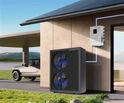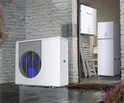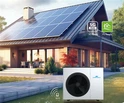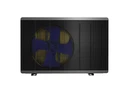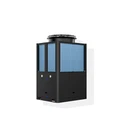


R290's GWP=3, ODP=0 means that it has the least damage to the earth's environment when it works, so we call it the heat pump solution closest to zero carbon at present.

How effective is it in energy saving?
Heat pumps are a low-carbon heating technology with the potential to deliver large-scale reductions in carbon emissions from building heat. They use electricity to move heat from ambient outside air, water, or ground to a building’s interior and to heat water.
1KW of electricity drives the compressor to work and can produce up to 4KW of heat, of which 1KW of heat comes from electricity and 3KW of heat comes from nature.
In the past heat pump technology, when the heat pump is working, the 1KW of electricity mainly comes from the grid, but with the mature development of the heat pump technology, the source of power to drive the heat pump will come from:
1. The electricity directly generated by the photovoltaic panel passes through the inverter to convert the voltage and current required by the heat pump
2. The electricity stored in the energy storage system, may come from the remaining photovoltaic power and grid power. At present, the concept of energy storage + heat pump systems is also being popularized and promoted.
3. Electricity with cheap electricity prices from the grid. This part of the electricity is generally combined with photovoltaic power and grid power through the SG-Ready and EVU functions of the heat pump. The heat pump unit intelligently judges the situation of the grid and automatically selects the most suitable power supply solution.
The application of these technologies means that the heat pump can achieve a 100% energy-saving effect under ideal conditions.