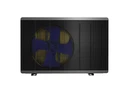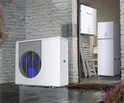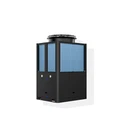


The European heating market is undergoing a structural transformation. Driven by carbon neutrality targets, energy price volatility, and strict F-Gas regulations, the demand for heat pump systems has accelerated significantly.
For distributors, EPC contractors, and HVAC brands, selecting the right heat pump manufacturer is no longer a procurement task-it is a strategic decision that directly impacts compliance, competitiveness, and long-term profitability.
EU Heat Pump Market: Regulation Is Driving Demand
Europe remains the fastest-growing region for air source heat pump adoption. Several key forces are shaping the market:
F-Gas Regulation pushing transition to low-GWP refrigerants
Government subsidies across Germany, France, and Nordic countries
Electrification of heating to replace gas boilers
This creates strong demand for:
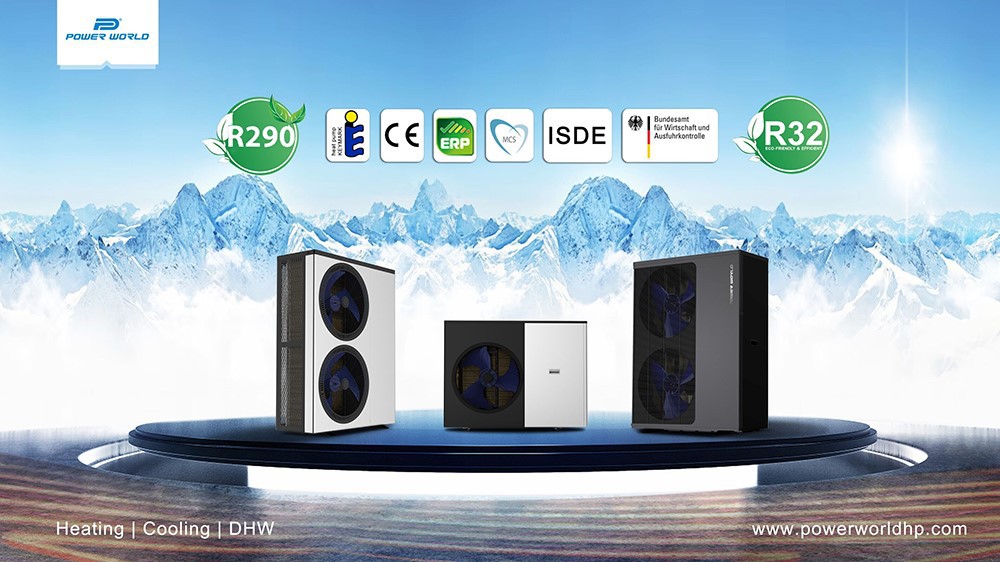
R290 heat pump systems
High-efficiency A+++ solutions
Cold climate performance (-20°C to -25°C)
Why R290 Is Becoming the Industry Standard
The shift toward R290 heat pumps is not just a trend-it is a regulatory inevitability in Europe.
Key advantages include:
GWP = 3 (future-proof compliance)
Higher energy efficiency compared to R410A
Better performance in low ambient temperatures
For buyers targeting EU markets, working with an experienced R290 heat pump supplier is critical to avoid future compliance risks.
What Defines a Reliable Heat Pump Manufacturer
Not all manufacturers are equal-especially when it comes to export markets.
1. Engineering Capability
A true heat pump manufacturer must have in-house R&D, not just assembly lines.
This ensures:
Stable system performance
Adaptation to different climates
Faster product iteration
2. OEM/ODM Flexibility
For brands and distributors, OEM heat pump manufacturers provide:
Custom branding and housing
Control system localization
Certification alignment (CE, MCS)
This is particularly important when entering regulated markets like the EU.
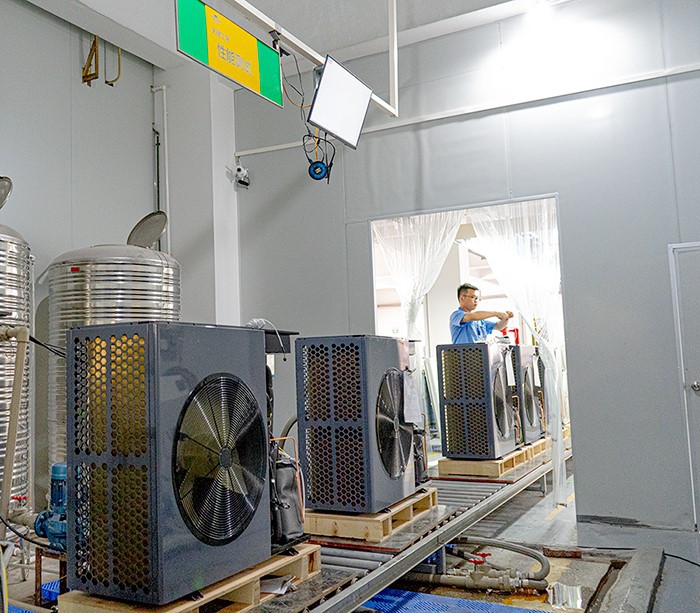
3. Production Scale and Delivery Reliability
Large-scale projects require stable supply chains.
Manufacturers with:
High automation
Multi-line production
Large annual capacity
are better positioned to support bulk orders and long-term partnerships.
Case Insight: Scalable Manufacturing for Global Markets
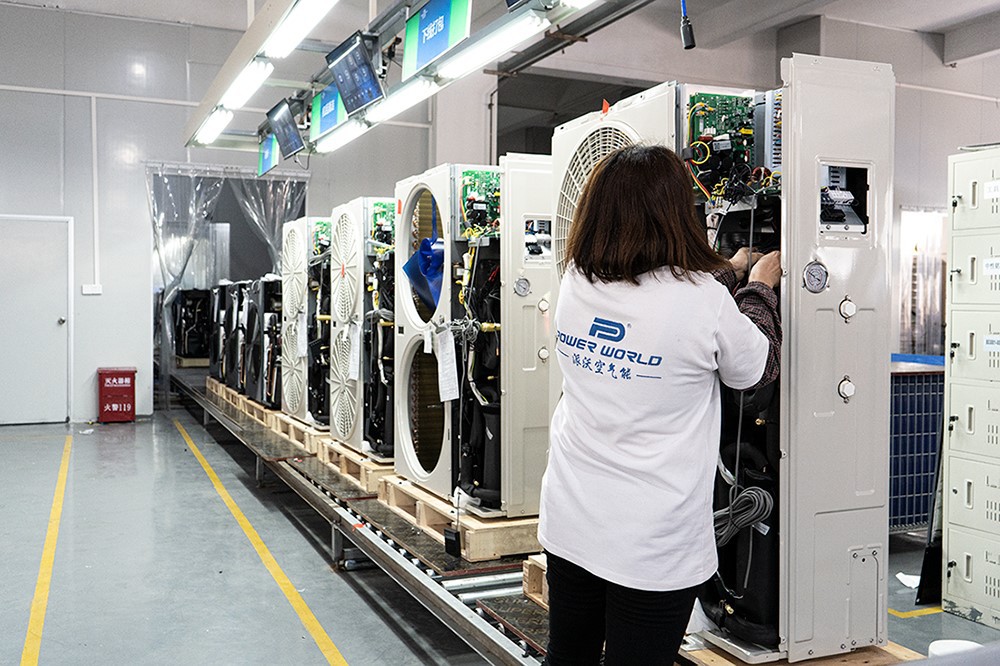
Power World, established in 2004, represents a typical example of a global-oriented heat pump manufacturer.
200,000m² production base
2 million units annual capacity
Export to 60+ countries
Its product portfolio includes:
Air source heat pumps
Commercial heat pump systems
R290 monoblock units
Such manufacturers are able to support both standard distribution and customized OEM projects.
Cold Climate Performance: A Key Differentiator
For European buyers, performance in extreme weather is a major concern.
Modern systems now offer:
Stable operation at -25°C
Intelligent defrost algorithms
Inverter-driven compressors
This makes them suitable for:
Northern Europe
Alpine regions
Eastern European markets
Manufacturer Selection = Market Success
In 2026 and beyond, the winners in the HVAC market will not just be those who sell products-but those who partner with the right heat pump manufacturer.
The right partner delivers:
Compliance-ready products
Stable supply
Customization flexibility