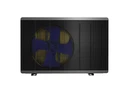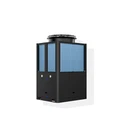


As energy costs continue to rise across the UK and Europe, more homeowners, developers, and commercial operators are switching to the heat pump hot water heater as a long-term energy solution.
But one question consistently comes up:
How much does a heat pump water heater cost in 2026?
The answer depends on several factors-including system size, installation complexity, and supplier type. In this comprehensive guide, we break down everything you need to know, from upfront costs to long-term savings and how to choose the right heat pump manufacturer.
What Is a Heat Pump Hot Water Heater and Why Is It Popular?
A heat pump water heater works by extracting heat from the surrounding air and transferring it into water storage tanks. Unlike traditional electric heaters, it does not generate heat directly, making it significantly more efficient.
Key Benefits
Up to 70% lower energy consumption compared to electric water heaters
Reduced carbon emissions (aligned with EU climate targets)
Suitable for both residential and commercial use
Long lifespan (typically 15–20 years)
In regions like the UK, Germany, and France, demand is growing rapidly due to government incentives and decarbonization policies.

How Much Does a Heat Pump Water Heater Cost in 2026?
Let's break down the cost into three main components: equipment, installation, and total system cost.
1. Equipment Cost (Unit Price)
The cost of a heat pump hot water heater unit varies depending on:
Capacity (150L–500L+)
Refrigerant type (R410A vs R290)
Brand and technology level
Typical Price Range (UK/EU):
£4,500 – £8,500 per unit
For B2B buyers such as distributors or contractors, OEM purchasing can significantly reduce per-unit costs.
2. Heat Pump Water Heater Installation Cost
The heat pump water heater installation cost depends heavily on site conditions and system design.
Standard Installation:
£2,000 – £4,500
Complex Installation (retrofit or commercial):
£5,000 – £10,000+
Factors that increase installation cost include:
Pipework modification
Electrical upgrades
Integration with existing systems
3. Total Installed Cost
Combining equipment and installation:
Average total cost: £7,500 – £15,000
Large or complex projects: up to £20,000+
In the UK, schemes like the Boiler Upgrade Scheme (BUS) can reduce upfront cost by up to £7,500, significantly improving ROI.

Key Factors That Affect Installation Cost
Understanding these variables is critical for accurate budgeting.
System Size & Demand
Larger households or commercial facilities require higher-capacity systems, increasing both unit and installation costs.
Installation Environment
Costs are higher if:
Space is limited
Ventilation needs improvement
Outdoor installation is required
Climate Conditions
In colder climates (e.g., Northern Europe), systems must operate efficiently at low temperatures.
Modern systems-especially air source heat pump water heaters-can operate at:
-15°C to -25°C
This may require higher-spec units, increasing upfront cost but ensuring reliability.
Technology Level
Premium systems include:
DC inverter compressors
Smart IoT controls
R290 refrigerant
These increase upfront cost but significantly reduce long-term energy consumption.

R290 Heat Pump Water Heater: Is It Worth the Cost?
R290 (propane) is rapidly becoming the preferred refrigerant in Europe.
Advantages:
Ultra-low GWP (3)
Higher efficiency (A+++ rating)
Compliance with EU F-Gas regulations
Cost Impact:
Slightly higher initial cost
Lower lifetime operating cost
For long-term projects, R290 systems provide better ROI and regulatory security.
Running Costs and Energy Savings
While upfront costs are higher, operating costs are significantly lower.
Annual Savings Estimate:
Compared to electric heaters: £300 – £800 per year
Payback period: 3–6 years (with subsidies)
For commercial users (hotels, apartments), savings can be even higher due to continuous demand.
Heat Pump vs Traditional Water Heater (Cost Comparison)
| System Type | Upfront Cost | Running Cost | Lifespan |
|---|---|---|---|
| Electric Heater | Low | High | 8–10 years |
| Gas Boiler | Medium | Medium | 10–12 years |
| Heat Pump Water Heater | Higher | Low | 15–20 years |
Over time, heat pumps deliver the lowest total cost of ownership.
B2B Insight: Why Manufacturer Choice Affects Cost
For distributors and project developers, cost is not just about price-it's about supply chain reliability and long-term value.
OEM Heat Pump Manufacturer Advantage
Working with an OEM heat pump manufacturer offers:
Lower procurement cost
Customization (branding, controls, refrigerant)
Faster market entry
Production Capacity
Large manufacturers ensure:
Stable supply
Shorter lead times
Consistent quality
Certification Support
For UK/EU markets, certifications are critical:
CE
MCS
ERP
Without these, installation and subsidies may not be possible.

Example: Power World Heat Pump Manufacturer
Power World is a professional heat pump manufacturer established in 2004.
Manufacturing Strength:
200,000m² production base
2 million units annual capacity
Export to 60+ countries
Product Range:
Air source heat pump
R290 heat pump
Heat pump hot water heater
Key Advantages:
A+++ energy efficiency
Stable operation down to -25°C
Full OEM/ODM customization
This makes Power World a strong partner for:
Distributors
HVAC contractors
Large-scale projects
How to Reduce Heat Pump Water Heater Cost
Here are practical strategies:
Use Government Incentives
Apply for UK or EU subsidies
Choose Standardized Systems
Avoid unnecessary customization
Work with Direct Manufacturers
Eliminate middleman costs
Optimize System Design
Plan installation early to reduce retrofitting costs
Final Answer: How Much Does a Heat Pump Water Heater Cost?
To summarize:
Unit cost: £4,500 – £8,500
Installation: £2,000 – £5,000+
Total system: £7,500 – £15,000
For B2B buyers:
OEM pricing can significantly reduce costs
Long-term savings outweigh upfront investment
Conclusion: Is It Worth It?
Yes-especially in today's energy environment.
The heat pump hot water heater offers:
Lower energy bills
Compliance with future regulations
Strong ROI for both residential and commercial users