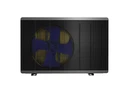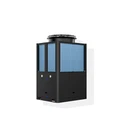


As global efforts toward decarbonization and sustainable building design accelerate, more commercial facilities-hotels, schools, residential complexes, and public buildings-are replacing traditional boilers with air source heat pumps (ASHPs).
Among all solutions, the air-to-water heat pump stands out for its ability to provide heating, cooling, and domestic hot water efficiently through one integrated system.
However, when selecting a system or OEM partner, decision-makers face critical questions:
How does performance hold up under low ambient temperatures?
Which manufacturer ensures reliability and long-term support?
What are the lifetime operating costs and potential ROI?
How can I secure certification compliance and after-sales service globally?
This guide addresses all those questions-helping you select the right commercial heat pump manufacturer to ensure optimal performance, energy savings, and a successful investment.

1. Understanding the Core Advantages of Commercial Air Source Heat Pumps
1.1 Superior Efficiency and Lower Operating Costs
The Coefficient of Performance (COP) measures how much heat a system produces per unit of electricity consumed. Higher COP = lower operating cost.
The Seasonal Coefficient of Performance (SCOP) or SPF provides a more realistic measure of efficiency across varying temperatures.
Modern inverter-driven air source systems maintain stable output even under partial load, reducing cycling losses.
Real-world projects show that replacing gas or electric resistance systems with heat pumps can cut energy bills by 50–70%.
1.2 Meeting Environmental Regulations and Sustainability Goals
Low-GWP refrigerants such as R32 and R290 comply with EU F-gas and EPA requirements.
Certified systems (CE, EHPA, UL, ETL) demonstrate regulatory compliance for global markets.
As renewable electricity becomes more accessible, electric-driven heat pumps perfectly align with net-zero building strategies.
1.3 One System for Heating, Cooling, and Hot Water
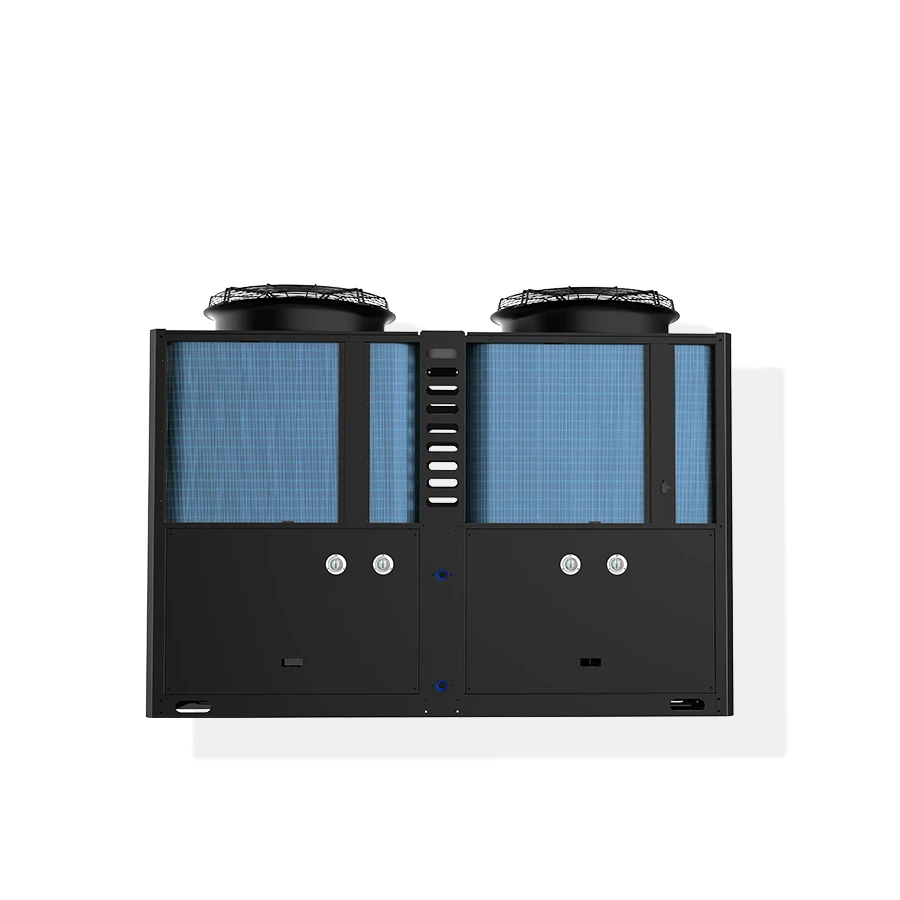
The air-to-water heat pump delivers heating, cooling, and domestic hot water from one compact system-ideal for hotels, schools, and apartments.
It reduces equipment redundancy and maintenance complexity.
Compared with air-to-air systems, water-based designs integrate seamlessly with underfloor heating, fan coils, or radiator networks.
2. Evaluating Heat Pump Manufacturers: 5 Key Dimensions
Choosing the right manufacturer is not just about product specs-it's about long-term partnership, technical reliability, and operational assurance.
2.1 R&D and Innovation Capability
Does the manufacturer design its own compressors, inverters, or smart control systems?
Do they hold core patents or advanced testing laboratories?
Can they customize models for specific climates or commercial applications (low-temperature performance, modular systems, etc.)?
2.2 Manufacturing Quality and Global Certifications
ISO 9001, ISO 14001, and ISO 45001 certifications ensure quality and environmental compliance.
CE, EHPA, AHRI, UL, and ETL marks confirm global product reliability.
Ask about factory testing procedures-aging tests, performance verification, and stress testing before shipment.
2.3 Reliable Operation in Extreme Climates
Evaluate low ambient performance (e.g., heating capacity at −25 °C).
Review manufacturer-provided Extended Performance Data (EPD) and frost-control strategies.
Confirm robust protection systems-defrost cycles, compressor safety, and smart load management.
In humid or coastal regions, corrosion-resistant materials are essential.
2.4 Global Project References and Custom Solutions
Proven case studies across hotels, resorts, schools, residential complexes, and industrial sites demonstrate reliability.
Assess whether the manufacturer can tailor system design, simulate energy loads, and optimize configurations for local climates.
Experience with government and public-sector projects adds credibility.
2.5 Technical Support and After-Sales Service Network
Does the supplier have regional offices or service centers?
Availability of spare parts and 24/7 technical response is critical for commercial installations.
Comprehensive training, installation guidance, and system commissioning are marks of a true partner.
Ongoing software updates and efficiency optimization reflect a commitment to lifetime support.

3. Air-to-Water vs. Air-to-Air: Selecting the Best System for Your Building
3.1 Why Air-to-Water Systems Dominate Commercial Heating
Ideal for central heating, underfloor systems, or radiator-based infrastructure.
Suitable for long-distance thermal distribution within multi-building complexes.
More stable efficiency across seasons compared to air-to-air solutions.
3.2 System Recommendations by Building Type
| Building Type | Recommended Solution | Key Considerations |
|---|---|---|
| Hotels / Resorts | Modular air-to-water with DHW function | High domestic hot water demand; 24/7 operation |
| Schools / Hospitals | Central air-to-water + fan coil / underfloor | Variable load, zoning flexibility |
| Residential Complexes | Distributed modular + smart control | Individual control + collective efficiency |
| Office Buildings / Malls | Hybrid air-to-water with VRF or AHU | Simultaneous heating and cooling zones |
4. ROI Analysis: Why Partnering with Top Manufacturers Pays Off
4.1 Initial Investment vs. Lifecycle Cost
Premium systems often cost more upfront but provide greater long-term savings.
Higher efficiency = lower electricity bills and fewer maintenance issues.
Downtime reduction and extended lifespan improve overall ROI.
4.2 Incentives and Subsidy Opportunities
Many regions offer government subsidies, tax credits, and carbon incentives for high-efficiency heat pumps.
Manufacturers familiar with these programs can provide compliance documents to simplify approval.
Choosing systems with R32 or R290 refrigerants may qualify for green building incentives.

Selecting the right air source heat pump and a trusted manufacturer is critical to the long-term success of any commercial project.
The right partner ensures technical reliability, optimized ROI, and a smooth project lifecycle from design to operation.
Powerworld, with over 20 years of expertise in heat pump manufacturing, offers:
Tailored system design and engineering support
Certified, high-efficiency products for global markets
Full after-sales and training support
💡 Contact our team today info@powerworldhp.com to get a customized solution and ROI evaluation for your next project.
Let's build a greener, smarter, and more sustainable future together.