

Investing in a Heated Pool is more than just a luxury; it's a decision that can enhance the comfort and utility of your property year-round. Whether you're managing a hotel, fitness center, or planning to install an inground pool for your home, understanding the Cost Of Pool Heaters is essential.
In this guide, we break down the factors that impact the Cost Of Heating A Pool, and compare different Pool Heater options to help you choose the best solution for your needs.
1. Key Factors Influencing Pool Heating Costs
The Cost Of Heating A Pool is influenced by several factors. Knowing these will help you estimate not only the initial investment but also the long-term operating costs.
1.1 Pool Heater Type
The type of Pool Heater you choose is one of the most significant factors determining your heating costs. Different systems have varying upfront, operational, and maintenance costs.
Gas Pool Heaters: These are ideal for fast heating, but they come with high running costs due to gas consumption.
Electric Resistance Pool Heaters: Generally less efficient, these heaters have moderate upfront costs but high operational costs.
Solar Pool Heaters: While solar heaters have lower operating costs, they are highly dependent on climate and location.
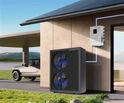
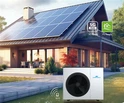
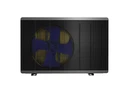
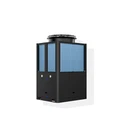
Heat Pump Pool Heaters: Heat pumps are highly energy-efficient and can reduce operating costs by up to 75% compared to gas heaters. These are particularly useful in commercial and residential settings that require consistent heating.

1.2 Pool Size And Volume
The size of your pool plays a crucial role in determining the amount of energy required to heat it. Larger pools with more volume need bigger, more powerful Pool Heaters to maintain the desired temperature, leading to higher heating costs.
1.3 Climate And Ambient Temperature
The colder the ambient temperature, the harder the heater must work to maintain a comfortable swimming temperature. For pools located in cooler climates, more energy will be consumed to keep the water at the desired temperature, increasing your heating costs.
1.4 Desired Water Temperature
The higher the temperature you set for your pool, the more energy your heater will require. In commercial settings, where pool use is frequent, maintaining the right balance of temperature and energy consumption is key to controlling costs.

2. The Most Cost-Efficient Option: Pool Heat Pumps
When evaluating How Much Does A Heated Pool Cost, Pool Heat Pumps stand out as one of the most Cost-Effective Solutions for both residential and commercial pools. Here's why:
2.1 Energy Efficiency
Pool Heat Pumps work by extracting heat from the surrounding air and transferring it to the pool water, using minimal electricity. These systems offer one of the best COefficient Of Performance (COP) rates in the industry, typically ranging from 4 To 6, meaning they deliver 4 to 6 times more heating power than the electricity they consume.
2.2 Reduced Operating Costs
Despite a higher upfront cost, Pool Heat Pumps offer long-term savings due to their energy efficiency. For commercial properties like hotels, resorts, or fitness centers, this can result in significant savings on annual energy bills, making them a reliable, long-term solution.
2.3 Versatile And Eco-Friendly
Heat Pump Pool Heaters are also highly eco-friendly, using R32 Or R290 Refrigerants with low global warming potential. This makes them an attractive choice for commercial properties looking to meet environmental sustainability goals.

3. How Much Does A Heated Pool Cost For Commercial Applications?
For commercial properties, such as hotels, resorts, or gyms, the Cost Of Heating A Pool involves more than just the price of the Pool Heater itself. Other key considerations include:
3.1 Initial Investment
The upfront cost for a commercial pool heating system depends on pool size, heater type, and installation complexity. Heat Pumps generally have a higher initial cost but are far more cost-efficient in the long term due to their Energy Efficiency.
3.2 Long-Term Savings
With Pool Heat Pumps, you can expect to save significantly on Energy Consumption over the years. For instance, businesses that use Pool Heat Pumps often report up to 50% Savings On Energy Bills compared to those using traditional gas heaters.

4. How To Minimize Your Pool Heating Costs
While the Cost Of Heating A Pool is unavoidable, there are several ways to reduce your operational expenses:
4.1 Use A Pool Cover
A Solar Blanket or Thermal Pool Cover can reduce heat loss from evaporation by up to 70%, significantly reducing heating costs. This is especially effective when combined with Heat Pumps.
4.2 Regular Maintenance
To maintain efficiency and prevent unnecessary wear on your Pool Heater, ensure regular maintenance. This includes cleaning filters, checking refrigerant levels, and inspecting the system for any wear and tear.
4.3 Invest In Smart Controls
Many modern Pool Heat Pumps come with Smart Temperature Controls that allow you to optimize energy consumption, ensuring that the pool is heated only when necessary.
Is A Pool Heat Pump Worth The Investment?
While the Cost Of Heating A Pool varies depending on several factors, Pool Heat Pumps offer the best return on investment in the long run. Their Energy Efficiency, Eco-Friendliness, and Low Maintenance Costs make them an ideal choice for both residential and commercial applications.
Investing in a high-quality Pool Heat Pump from a reputable manufacturer like Powerworld will help you achieve Optimal Pool Temperatures while minimizing both Initial Investment and Long-Term Operational Costs.